Families hardly ever beginning their look for senior dwelling with a neat guidelines. More almost always, a daughter notices the charges piling up at the kitchen counter. A husband realizes his spouse has began to wander at night time. A accepted care surgeon shows it is time to study alternatives past in‑residence aid. Assisted living and memory care sound comparable from the exterior, yet they serve alternative wishes, deliver distinctive fees, and suppose distinct day to day. Knowing the big difference saves time, cash, and emotional wear.
I even have walked these hallways with households for years. I have led tours wherein a resident with moderate forgetfulness thrived on the grounds that he had lend a hand organizing medications and rides to the barber. I have also watched a happy girl with midsection‑stage dementia come to be demanding in an assisted residing apartment, then settle fantastically as soon as she moved into a really good reminiscence care vicinity. The environment matters as so much as the offerings.
What assisted living definitely provides
Assisted residing is designed for older adults who are aas a rule independent however desire assist with a few daily duties. Think of tasks like dressing, bathing safely, handling medicinal drugs, and getting to food. The objective is to increase independence with a fortify web. Residents have confidential or semi‑confidential flats, their own furnishings, and freedom to return and cross. Staff offer scheduled guidance, with further support out there when essential.
Under the hood, country rules set the flooring for what assisted residing can and will not do. In many states, assisted living groups can assistance with medications, insulin injections, and oxygen, yet they will not deliver 24‑hour nursing or take care of frustrating clinical instruments like feeding tubes. Staffing most of the time carries caregivers and medicinal drug aides across the clock, plus a nurse on web site or on call, continuously throughout the time of daylight hours hours. That works neatly for individual steady and predictable, for instance a person with controlled diabetes and arthritis who desires reminders and a nontoxic environment.
Services in assisted dwelling generally tend to revolve around non-public care and standard of living. A primary day might come with a scorching breakfast in the dining room, a steadiness elegance, a trip to a medical appointment, and help with a bath inside the afternoon. There is often a calendar of classes, from movie nights to art workshops. Many communities embrace pale home tasks and laundry weekly, Wi‑Fi, universal protection, and transportation inside a radius.
Assisted dwelling shines while elders prefer option and privacy with a security web close by. It struggles when a resident necessities entire conduct enhance thanks to dementia, calls for continuous cueing for every undertaking, or becomes dangerous without consistent oversight. This is the place reminiscence care differs.
What reminiscence care is constructed to handle
Memory care is a specialized type of assisted residing for folk with Alzheimer’s disorder and relevant dementias. It seems to be comparable on brochures but feels diverse in perform. The doorways are secured to preclude hazardous elopement, the ground plans slash useless ends and lengthy hallways, and the lights is softer and greater constant to reduce sundowning agitation. Staff are informed not solely to guide with bathing and dressing, but to interpret behavior as communication.
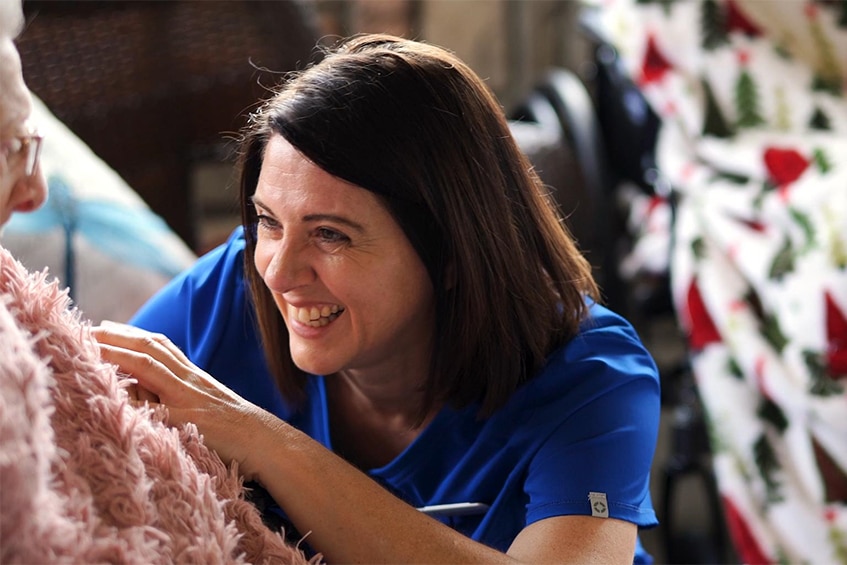
In memory care, the rhythm of the day is structured. Activities are shorter, more repetitive, and multi‑sensory. You will see song medicine, essential kitchen projects like stirring muffin batter, rummage containers to fulfill the need to kind, and going for walks golf equipment inside of a loop hall. Meals arrive with greater prompts, and utensils could be tailored. The group of workers‑to‑resident ratios are often tighter than in trendy assisted living. While numbers fluctuate, many reminiscence care systems schedule more or less one caregiver for every five to 8 residents for the period of the day, with a nurse overseeing assessments and care plans. The point isn't just security; that is engagement that suits cognitive skill.
Clinical support could also be fashioned around dementia. Memory care teams computer screen ache in another way, due to the fact that individuals with evolved reminiscence loss may not describe ache truely. They care for sleep‑wake disruptions, repetitive questions, resistance to care, and the occasional combative episode with instructions in redirection and validation. Families usally file fewer 911 demands falls or conduct once a loved one settles into an effective memory care program.
The change‑off is flexibility. In memory care, you would discover much less spontaneous independence. Visits are elementary and welcome, but schedules and expectations are extra consistent for the team. For somebody with midsection‑level Alzheimer’s who attempts to move backyard in pajamas, that construction is a aid. For an individual with in simple terms delicate forgetfulness, it will probably think restrictive.
The boundary between the 2 is absolutely not a single line
Families by and large ask, which is the true match this present day, and the way do we understand whilst to exchange? I investigate 5 functional markers.
First, protection with out one‑to‑one oversight. If anyone forgets a microwave burrito unless the smoke alarm blares, assisted dwelling can help with foods and oversight. If that character tries to exploit the stove at three a.m., time and again leaves the constructing, or wanders into other flats, the secured, supervised environment of memory care prevents crises.
Second, frequency of cueing. Occasional prompts for healing or nutrition healthy assisted dwelling. Constant cueing for both step of bathing or dressing, or the incapability to collection projects even with reminders, pretty much aspects towards memory care.
Third, conduct that stems from dementia. Examples encompass sundowning agitation, delusions that lead to concern and go out trying, disrobing, or rummaging because of different citizens’ property. Assisted dwelling groups can handle mild behaviors, but sustained patterns require dementia‑one-of-a-kind tuition and staffing.
Fourth, verbal exchange and pain expression. When language fades and needs express up as pacing, shouting, or resisting care, memory care team of workers are better competent to interpret and respond.
Fifth, have an impact on on others. Assisted dwelling groups steadiness someone wants with staff unity. If one resident’s behaviors oftentimes disrupt dining rooms or occasions notwithstanding interventions, a transfer to memory care serves each the man or women and the neighborhood.
These will not be rough suggestions. I even have obvious residents with moderate dementia flourish in assisted residing for years due to the fact they had good social abilities and predictable workouts. I have also moved individual to memory care after two weeks in assisted living as a result of the surroundings brought on worry at night and her exit trying escalated.
Cost, contracts, and what the numbers in actuality mean
Sticker fees fluctuate by means of sector, building age, and amenities, but certain patterns preserve. Assisted dwelling in the main premiums a base rent for the residence and foods, then layers in a care fee centered on an evaluation. That fee can wide variety extensively relying on the level of assist, with increases while desires grow. Memory care is frequently all‑inclusive inside of a tier, or it bundles extra care right into a flat charge considering the fact that every body needs common cueing and supervision. When households examine month to month, memory care basically expenses extra than assisted dwelling inside the identical group, oftentimes by using 10 to twenty-five p.c, nevertheless in places with prime hard work fees the space can also be better.
Budget for greater than lease. Pharmacy packaging for medications, incontinence promises, escorts to exterior appointments, and cable TV upload up. Ask how the network handles fee raises. A generic trend is an annual strengthen of 3 to eight percentage, plus quick increases if care necessities soar, for example after a hospitalization. Also ask about understand periods and deposit terms so that you will not be stunned if a move turns into useful.
Long‑time period care insurance plan basically reimburses equally assisted living and memory care if the policy criteria are met, ordinarilly an lack of ability to perform two or greater things to do of on a daily basis residing or a cognitive impairment requiring colossal supervision. Medicaid protection exists in many states using waiver techniques, however entry depends on state law and waitlists. Veterans’ blessings can help eligible contributors, however utility timelines will be months.
Staffing, credentials, and what to invite on a tour
Titles on a staffing board do no longer inform the complete story. You need to have an understanding of who's in the development and while. In assisted living, look for caregivers on each shift, a medical care technician if allowed by the nation, and a nurse who oversees checks, care plans, and guidance. In reminiscence care, probe deeper into exercise hours distinct to dementia, along with non‑pharmacologic habits methods and de‑escalation.
Good questions about a journey disclose how a place features less than pressure. How does the workforce tackle a resident who refuses a bath? What is the plan if human being attempts to depart at evening? When do they name 911, and whilst do they take care of in condominium? Ask for a precise illustration from the closing month. You read some distance extra from a story than from a policy binder.
Watch meal service. In assisted residing, residents pretty much order from a menu and get hold of mushy reminders. In reminiscence care, workforce must always expect desires with no speeding, region plates within handy achieve, and present hand‑over‑hand information basically with permission and sensitivity. Look for adaptive utensils and finger foods handy for people that speed and like to graze.
Pay interest to noise levels and scents. Memory care need to now not scent like bleach or strongly perfumed cleaners, which is able to agitate residents. The most interesting courses use calm voices, typical track, and organic faded styles to guide circadian rhythms. If you notice employees crouch to eye degree, use first names respectfully, and smile with their eyes, it mainly reflects deeper coaching.
The position of respite care
Not each and every resolution needs to be permanent. Respite care, a short stay in assisted living or memory care, can bridge a challenging stretch. Families use respite while a caregiver wishes a surgical operation, during a warmth wave that makes dwelling house risky, or after a hospital discharge while stamina is low. A regular respite stay runs from every week to a month, provided condo, nutrients, and care blanketed.
Respite care is functional as a take a look at force. If you are torn among assisted residing and memory care, set up a two‑week live within the setting you observed is most interesting, with the choice to pivot if team of workers track safe practices problems. In my revel in, a brief keep displays more than any overview. I as soon as admitted a retired trainer to assisted dwelling for respite after a fall. On day 3, she wandered into an alternate resident’s room at night, pressured and apologetic. We moved her to reminiscence care a higher morning, where she settled right into a pursuits with a small taking walks workforce and a nightly tea ritual. Her daughter later talked about the fast detour stored them months of hysteria.
Respite slots fill promptly, specifically round vacations and summer, so ask early. Clarify pricing, as day after day quotes for respite are typically greater than the prorated per month appoint, and insurance plan not often covers brief remains until tied to a knowledgeable nursing merit.
Medical complexity and grey zones
A adult with dementia may also have Parkinson’s disease, middle failure, or persistent kidney ailment. The greater frustrating the clinical snapshot, the greater you desire to map out who does what. Assisted living can take care of reliable oxygen, clear-cut wound care, and blood sugar checks, almost always with the toughen of visiting homestead health groups. Memory care can do the comparable, layered with dementia give a boost to. For advanced necessities like two‑someone transfers all day, known suctioning, or IV drugs, chances are you'll want a professional nursing facility.
A wide-spread gray area is the resident with mild dementia who will become delirious in the medical institution, then returns perplexed and agitated. If the delirium resolves inside weeks, assisted residing can nevertheless paintings. If confusion persists and nights remain chaotic, transferring to reminiscence care prevents a cycle of falls and readmissions. Another grey area emerges with late‑degree Alzheimer’s while an individual turns into bedbound and non‑verbal. Many reminiscence care courses can support this stage with hospice, targeting comfort. Do now not expect you should circulation to a nursing dwelling unless the community says they is not going to meet the desires adequately.
Daily existence ameliorations you could feel
Set aside the brochures and think a Tuesday. In assisted residing, residents head to the dining room on their own or with reminders. The morning training magnificence gains more verbal guidance and immediate‑paced track. The artwork organization runs an hour, with residents making a choice on supplies and chatting approximately grandkids. Apartment doors keep open for housekeeping, and the hallway traffic is pleasant yet fluid.
In memory care, group of workers start up with mushy wake‑united states of americaand step‑by‑step cueing. Breakfast unfolds with prompts on the table and substitutions ready for those that choose oatmeal over eggs. Mid‑morning brings a short track session with tambourines, then a stroll alongside the loop with handrails for help. Activities remaining 20 to 30 minutes to suit recognition spans. The ecosystem absorbs noise as opposed to echoing it, and crew redirect early while a resident starts to fixate on leaving. After lunch, a quiet hour is helping in the reduction of past due‑day agitation.
Families detect the emotional local weather. When memory care is carried out well, there's a feel of calm goal. People don't seem to be idle; they are engaged at their point. When assisted dwelling is a good suit, there may be more spontaneity, acquaintances knocking on doors to invite both other to poker or espresso, and group shedding in for instant inspect‑ins in place of steady presence.
How to figure out when your beloved one is in between
Rarely does a cognitive take a look at ranking alone settle the question. Look at styles during the last 60 to 90 days. Did your loved one start wandering, or was that a single episode at some point of a urinary tract illness? Are nutrients going uneaten resulting from forgetfulness, or for the reason that he dislikes the nutrients alternate options? Is the https://beehivehomes.com/locations/cypress/ issue daytime boredom, which assisted residing can resolve, or hour of darkness confusion, which memory care manages more beneficial?
Involve the standard care clinician, yet do no longer end there. Ask for a realistic review from an occupational therapist if achieveable. Their enter on sequencing, safety recognition, and capacity to use adaptive procedures is gold. If your loved one at the moment has a home care aide, ask that worker for frank observations. They see the moments families pass over.
Also take into accounts persona. Some human beings, lifelong joiners and extroverts, do beautifully in assisted residing inspite of slight memory themes, as a result of they thrive on social cues. Others, pretty those who became readily overwhelmed, may well experience more secure inside of memory care’s smaller, more predictable ecosystem.
Transition with no trauma
Moves are difficult. A few sensible steps melt the touchdown. For assisted residing, bring standard fixtures and grasp photography on day one. Label clothing and set up a practical bedside basket with listening to aids, glasses, and the far off. For reminiscence care, simplify the room. Fewer presents scale down confusion. Choose a bedspread in a strong, calming shade. Place a mammoth clock and a whiteboard with the day’s anchor pursuits, to illustrate, “Breakfast with Susan, stroll with Tom, favourite track after lunch.”
Coordinate with workers. Share a one‑page life story with two or three trendy subject matters, nutrition dislikes, basic sleep styles, and triggers to hinder. A desirable group makes use of this to tailor care. During the 1st week, stopover at at acquainted occasions and avert visits quick if the one that you love becomes worn out. Expect an adjustment era of 2 to 6 weeks. If the in good shape nonetheless feels off after that, talk up. Sometimes a room stream towards the process area, or a change in routine, makes the big difference.
The language on the settlement and learn how to study it
Lease agreements can suppose dense. Focus on three sections: the scope of providers, the standards for switch or discharge, and the system for care plan variations. In assisted living, search for language approximately while the group will propose reminiscence care. Triggers continuously incorporate accepted wandering, refusal of vital care, or aggressive behaviors. In reminiscence care, ask no matter if the group can fortify hospice and what occurs if wants exceed their license.
Care plans may still be living files. Meet with the nurse or care manager within two weeks of stream‑in to review what is working and what isn't very. Confirm medicine administration instances, bathe days, and who will coordinate outdoors appointments. If your beloved goes to an off‑website neurologist or psychiatrist, deliver those notes to the care staff. Alignment prevents duplication and remedy error.
A brief, honest comparison to hinder handy
When you strip away the advertising gloss, the difference is inconspicuous. Assisted residing helps independence with as‑vital lend a hand, acceptable to folks that are typically nontoxic with no fixed supervision. Memory care delivers a covered environment, continuous cueing, and group of workers expert for dementia behaviors, acceptable to people that are dangerous or distressed with out that layout.
A family I worked with framed it effectively. Their father, a retired engineer with early‑level Alzheimer’s, toured both. He checked out the assisted residing woodshop and smiled for the 1st time that day. He spent two years there, development birdhouses with neighbors and attending trivia nights. When he commenced leaving his apartment at 2 a.m. in quest of his long‑long gone storage, he moved to reminiscence care inside the related network. The crew deploy a small workbench with sandpaper and tender woods. He stopped attempting to leave at nighttime, and his daughter slept once more.
When to revisit the decision
Needs change. Reassess after hospitalizations, marvelous medication variations, or noticeable behavioral shifts. If you're in assisted residing and the workforce starts documenting standard wandering, refusals that compromise hygiene, or repeated damaging pursuits, it is time to take into accout memory care. If you might be in reminiscence care and your beloved regains stability after an disorder, ask regardless of whether a much less restrictive setting may possibly paintings. Some communities let step‑downs, nonetheless maximum employees movement along any other course over the years.
Keep respite care on your lower back pocket. It remains a bendy software for quick‑term insurance, for trialing a brand new putting, or for giving the home caregiver a true ruin. Even a well‑supported kin can burn out. Short stays can keep away from long‑time period crises.
Final innovations from the field
No single decision defines a family unit’s love or somebody’s dignity. The nice option aligns ambiance with wishes, budgets with truth, and exercises with personality. Assisted dwelling we could many older adults retain their rhythm with the precise volume of lend a hand. Memory care supplies safeguard and serenity while reminiscence loss shifts the ground below each person’s toes. If you are unsure, tour the two, ask onerous questions, and watch how personnel deal with citizens when no one is asking. The small print you discover in the ones small moments will manual you better than any brochure.
Below is a straightforward checklist one could keep at the refrigerator whereas you weigh selections.
- If safeguard calls for secured doorways or steady cueing, lean in the direction of memory care. If assistance is essential by and large for scheduled duties and reminders, assisted dwelling suits. If behaviors tied to dementia disrupt foodstuff, sleep, or friends, memory care crew are expert for it. If social engagement and independence are still robust, assisted living promises extra flexibility. If your gut says “I can't sleep considering I worry about wandering,” memory care gives you remedy. If the concern is missed drugs and isolation, assisted residing solves the ones. If finances are tight, examine complete per month expenses, not simply base appoint. Ask approximately levels of care, upload‑ons, and in all likelihood increases. If you're still at the fence, guide respite care inside the environment that seems to be suitable, then re-examine with the team after one to 2 weeks.
The street is rarely straight. Make a better excellent alternative, then watch, hear, and alter. With the right suit, older adults do not just remain safe, they rediscover parts of themselves that activities and fortify make you'll be able to.